


The Concept of Luck in Gambling
Luck is often perceived as an essential aspect of gambling, where players depend on chance to dictate their outcomes. In games characterized by pure randomness, such as slots or roulette, luck is paramount since the results are entirely unpredictable. However, the concept of luck in gambling goes beyond mere chance, intertwining with human psychology and perception. Many players believe that finding an ontario online casino fast withdrawal option enhances their experience, attributing their wins or losses to luck, weaving a narrative that can either elevate or diminish their gambling experiences, depending on the outcome.
Many players believe they can ‘ride a wave’ of luck, which can lead to certain behaviors, such as chasing losses or extending playtime beyond their limits. This belief creates a false sense of control, where individuals think they can influence outcomes through sheer will or strategic choices. In reality, every spin, roll, or draw is an independent event, and the overarching randomness negates any perceived measurement of luck. This psychological dimension complicates the notion of luck even further, illustrating that it is not just a matter of chance but also of perception and behavior.
Moreover, discussions around luck involve statistical probabilities that analyze games to determine odds. While mathematicians and statisticians provide insights into the likelihood of various outcomes, this does not translate into a concrete measurement of luck. Although skill plays a role in games like poker, the unpredictable nature of chance signifies that luck remains an intangible force, emphasizing acceptance of uncertainty rather than attempting to measure it. This multifaceted understanding of luck illustrates its complexity in the gambling realm, combining the randomness of events with the subjective interpretations of players.
The Role of Probability and Odds
In the world of gambling, probability and odds serve as tools to quantify the likelihood of specific outcomes. These elements form a framework for understanding game mechanics and how results are determined. For instance, in blackjack, players can calculate odds based on the number of decks in play, the dealer’s visible card, and the remaining cards in the shoe. This information allows players to make informed decisions that can improve their chances based on mathematical probabilities, yet this does not equate to measuring luck. The mathematical nature of these elements provides a sense of security, but the reality is that luck still plays a crucial role.
While players can leverage probability for better decision-making, it does not predict individual outcomes. Each hand or spin remains subject to chance’s whims, meaning players can experience hot and cold streaks independent of the presented odds. This unpredictability heightens the emotional stakes tied to gambling, as players oscillate between hope and despair, often influenced more by luck than by the calculated odds that guide their strategies. Thus, the emotional rollercoaster of gambling becomes an integral part of the experience, intertwining with the mathematical foundation of the games.

Furthermore, a solid understanding of odds can enable players to adopt more strategic approaches in their gambling practices. By utilizing optimal strategies or selecting games with favorable payout ratios, players can reduce the house edge and increase their chances of success in the long run. However, these strategies do not eliminate the role of luck; rather, they enhance the player’s ability to navigate the uncertainties of gambling, thus reinforcing the idea that luck remains an essential, albeit unmeasurable, component of the experience. The coexistence of skill and chance in gambling creates a complex landscape where players must constantly adapt to changing circumstances.
The Intersection of Skill and Luck
In various gambling scenarios, particularly in games like poker or sports betting, the interplay between skill and luck frequently comes into focus. Skilled players can utilize their knowledge and experience to outperform less experienced opponents over time, suggesting that skill can mitigate the randomness associated with luck. However, even the most skilled players cannot completely escape the capricious nature of luck, which can alter the game’s trajectory in unforeseen ways, irrespective of their preparation or strategy. This reality underscores the dual nature of gambling, where skill can enhance outcomes but never fully replace the influence of luck.
This intricate balance implies that while skill can enhance decision-making and increase the likelihood of favorable outcomes, it cannot wholly eradicate luck’s influence. For example, a seasoned poker player may strategically choose to fold or raise based on their hand, yet the cards dealt are still a matter of chance. Thus, luck operates as an uncontrollable variable, generating scenarios in which even the most adept individuals may encounter defeat due to unfortunate circumstances, while novices might unexpectedly prevail. This dynamic adds a layer of excitement and unpredictability to the gambling experience.
The intersection of skill and luck exemplifies a defining characteristic of many gambling environments, creating passionate discussions around the essence of success in games where chance and expertise intertwine. Players often share tales of ‘lucky streaks’ or ‘bad beats,’ illustrating the emotional highs and lows of gambling. This dynamic showcases that luck remains a critical, albeit elusive, factor in the gambling landscape, influencing outcomes in ways that statistics and strategies cannot predict. The stories shared among players often highlight the unpredictable nature of luck, reinforcing its role as a central theme in gambling culture.
The Psychology of Luck in Gambling
Luck transcends mere mathematical principles and is deeply embedded in the psychology of gambling. Gamblers frequently develop superstitions and rituals, convinced that certain behaviors or objects can sway their luck in their favor. For instance, some players may wear specific charms, adhere to particular routines, or select favored seats at a casino, believing these actions will influence their results. Such practices underscore the human tendency to seek control in situations governed by chance, illustrating how psychology intertwines with the concept of luck. These superstitions can serve as coping mechanisms, providing players with a sense of agency in an otherwise unpredictable environment.
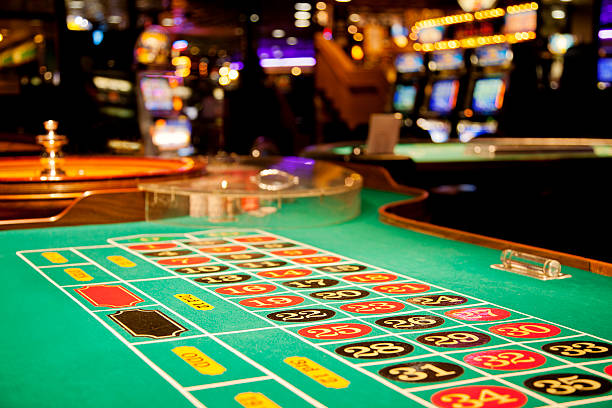
This psychological connection can lead to various behaviors, including compulsive gambling, as the thrill of a ‘lucky’ win can trigger a dopamine rush, prompting players to chase that euphoric feeling. This cycle reinforces the belief in luck while obscuring the underlying odds and probabilities that dictate gambling outcomes. In this way, players can become deeply invested in their perceived luck, often neglecting the essential nature of gambling as an inherently chance-driven activity. The emotional stakes tied to luck can overshadow rational decision-making, leading to potentially harmful gambling behaviors.
Moreover, cognitive biases can significantly distort a player’s understanding of luck. The ‘gambler’s fallacy,’ for example, posits that past outcomes can influence future probabilities, leading individuals to believe they are ‘due’ for a win after enduring a series of losses. This misconception underscores the difficulties in accurately measuring luck, as emotional and psychological factors can heavily influence decision-making and the overall gambling experience. The interplay of luck and psychology thus creates a complex web that shapes how players perceive their gambling journeys, often leading to a cycle of hope and disappointment.
Exploring Gambling Resources and Strategies
For those eager to explore the gambling universe while acknowledging the role of luck, a wealth of resources is available to enhance understanding and strategy. Educational platforms can provide insights into game mechanics, strategies, and responsible gambling practices. By grasping these principles, players can make informed choices that augment their overall experience, whether they engage in gambling for entertainment or profit. Understanding the balance between luck and strategy is essential for maximizing enjoyment in gambling.
Additionally, many online platforms focus on equipping users with tools that enhance their comprehension of odds and probabilities. These resources can demystify various games, empowering players to develop strategies that take into account both luck and skill. Engaging with such platforms allows individuals to approach gambling with a heightened sense of awareness, embracing the unpredictability of luck while remaining mindful of their personal limits and the potential for loss. This informed approach can lead to a more enjoyable and sustainable gambling experience.
Lastly, communities and forums dedicated to discussing gambling strategies can foster camaraderie and support among players. These spaces provide opportunities for sharing experiences and insights, creating dialogues about the complexities of luck in gambling. By engaging with fellow gamblers, both novices and seasoned players can navigate the intricacies of chance and strategy more effectively, reinforcing the idea that while luck plays a significant role, informed decision-making and community support can significantly enhance the gambling experience. The collective wisdom shared in these communities often highlights strategies for coping with the inherent unpredictability of luck.