



The role of casinos in shaping cultural identity across societies
Casinos as Cultural Arenas
Casinos are more than just venues for gambling; they serve as cultural arenas where societal values and traditions come to life. In many regions, casinos reflect local customs and histories, providing a space where community members gather to socialize and celebrate. This blending of gaming and culture often fosters a unique sense of identity, as individuals engage in activities that resonate with their heritage. Additionally, you can explore the pin up casino official website for online real money games to discover exciting opportunities for entertainment.
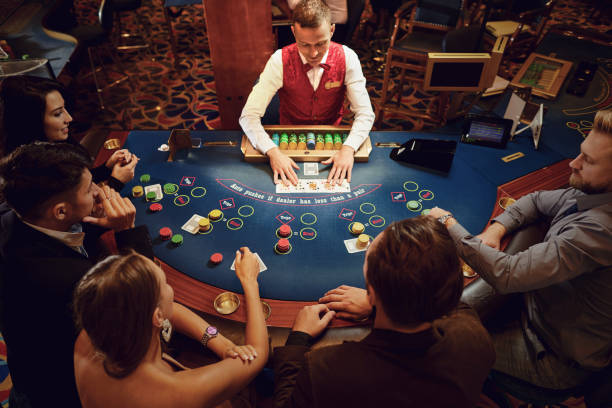
Moreover, the design and architecture of casinos often embody regional aesthetics, showcasing local art, music, and culinary traditions. This cultural representation not only attracts tourists but also strengthens the pride of local residents. As people engage with these spaces, they contribute to a shared cultural narrative that reinforces community ties.
Impact on Social Interactions
The presence of casinos can significantly influence social interactions within a community. They often become social hubs where individuals from various backgrounds converge, leading to a cross-pollination of ideas and cultures. This diversity enriches the cultural fabric of society and promotes understanding among different groups. The connection between the pin up casino official website for online real money games and players’ experiences can also deeply impact social dynamics.
Furthermore, casinos can facilitate new friendships and relationships. Whether through casual gaming or organized events, the informal environment encourages socialization. These interactions can lead to collaborative projects and community initiatives that enhance the overall cultural landscape, demonstrating how casinos can play an essential role in fostering social connections.
Economic Contributions and Cultural Investment
Casinos often provide substantial economic benefits to the regions in which they operate. They create jobs, attract tourism, and generate revenue that can be reinvested in local culture and community projects. This economic boost enables cities to support arts, music, and cultural festivals, further enriching the cultural identity of the area.
Moreover, the funds generated by casinos can be utilized to preserve historical landmarks or promote cultural education programs. By investing in the community, casinos help sustain cultural traditions and promote awareness of local heritage, ensuring that the identity shaped by these establishments remains vibrant and relevant.
The Psychology of Gambling and Cultural Reflection
The psychology of gambling is deeply intertwined with cultural identity. Different societies have unique attitudes towards gambling, influenced by historical, religious, and social factors. In some cultures, gambling is viewed as a harmless pastime, while in others, it may be frowned upon. Understanding these nuances allows for a deeper appreciation of how casinos reflect and shape cultural attitudes.
This psychological aspect also affects how individuals relate to gambling. In cultures where luck and chance are celebrated, casinos can become a source of pride and community engagement. Conversely, in societies where gambling is stigmatized, casinos may evoke controversy or debate about their impact on social norms and values.

Exploring Online Gaming Platforms
With the rise of technology, online gaming platforms have emerged as a new frontier for cultural engagement. Sites like Pin-Up Online Casino offer a variety of games that cater to diverse audiences, mirroring the cultural preferences found in physical casinos. These platforms allow players from different backgrounds to connect, sharing experiences that shape their collective identity in the digital age.
Moreover, online casinos often reflect the cultural dynamics of their targeted regions through marketing and game selection. This ability to adapt to local tastes means that online gaming not only preserves cultural identity but also promotes it on a global scale. As players engage in these virtual spaces, they continue to contribute to a growing cultural narrative that spans across borders.
